
A herd of elephants moving across open savanna, dust rising around their feet in the low morning light, is the kind of sighting many people picture before they’ve ever set foot in Africa – and Murchison Falls delivers it more reliably than almost anywhere else in Uganda. Murchison Falls National Park holds one of Uganda’s largest elephant populations, and encountering a herd moving across the open savanna or browsing along the tree line is one of the more reliable, genuinely moving experiences a game drive here delivers. Understanding where elephants concentrate and how their herds behave adds real depth to what’s already one of the park’s most consistent wildlife sightings.
How many elephants call Murchison home
The park’s elephant population numbers in the thousands, recovered substantially over recent decades from the severe poaching losses of Uganda’s politically unstable years in the 1970s and 1980s, when numbers dropped dramatically. Sustained anti-poaching investment and community-focused conservation programmes have driven this recovery, making Murchison’s elephant population today one of the clearer conservation success stories among Uganda’s protected areas.
Where elephants concentrate within the park
Elephants favour the northern sector’s mix of open savanna and borassus palm woodland, where they browse on grass, bark and palm fronds, moving between feeding areas and water sources along the Nile according to season and time of day. Herds are frequently seen near the river itself, particularly during the drier months when it becomes an increasingly important water source as smaller seasonal pans dry up elsewhere in the park.
Herd structure and social behaviour
Elephant herds are led by an experienced matriarch, typically the oldest and most knowledgeable female, who guides the group to feeding and water sources based on decades of accumulated memory of the landscape. Young males eventually leave the family herd as they mature, either living solitary or forming loose bachelor groups, while female relatives and their offspring stay together in the core matriarchal unit for life – watching this social structure play out during a sighting adds genuine depth beyond simply counting animals.
Best time of day for elephant sightings
Elephants are active across a wider span of the day than many other large mammals, tolerating heat better than predators do, though movement toward water sources tends to concentrate around cooler morning and late-afternoon hours. A midday sighting near the river, with elephants drinking, bathing or spraying themselves with water and mud for sun protection, is a genuinely different but equally rewarding version of an elephant encounter compared to an active morning browsing session.
Elephant behaviour worth watching for
Beyond simple feeding and movement, watch for social interactions within the herd – young calves staying close to their mothers, older siblings helping shepherd younger ones, communication through low-frequency rumbles too deep for human ears to fully register but sometimes felt as much as heard. Mud bathing and dust bathing, both genuine sun and insect protection behaviours, are also commonly observed and make for particularly engaging, active viewing moments.
Bull elephants and solitary sightings
Not every elephant sighting involves a family herd – mature bulls, having left the matriarchal group as young adults, are frequently seen alone or in small, loose bachelor groups, sometimes considerably larger and more imposing in appearance than herd members given their age and size. A solitary bull sighting carries its own quiet drama, and older bulls in musth, a periodic state of heightened hormone levels and aggression, are given particularly wide berth by experienced guides who recognise the behavioural signs.
Safety considerations around elephants
Elephants are generally calm around vehicles that maintain sensible distance and don’t block their path, but they’re also large, powerful animals capable of real aggression if they feel threatened or if a vehicle gets between a mother and her calf. Experienced guides read herd body language carefully – ear position, trunk movement, a matriarch’s posture – and maintain appropriate distance and positioning accordingly, which is exactly why a guided game drive handles elephant encounters far more safely than an inexperienced self-drive approach might.
How elephant sightings differ from the boat cruise
While game drives are the primary way to encounter elephants, herds are also frequently visible from the Nile boat cruise, coming down to the river’s edge to drink from a genuinely different vantage point than a vehicle offers. This water-level perspective, watching a herd’s approach and interaction with the river itself, often produces some of the most naturally composed elephant photographs of a whole trip, worth keeping in mind rather than assuming all your elephant time will come from game drives alone.
Photography tips for elephant encounters
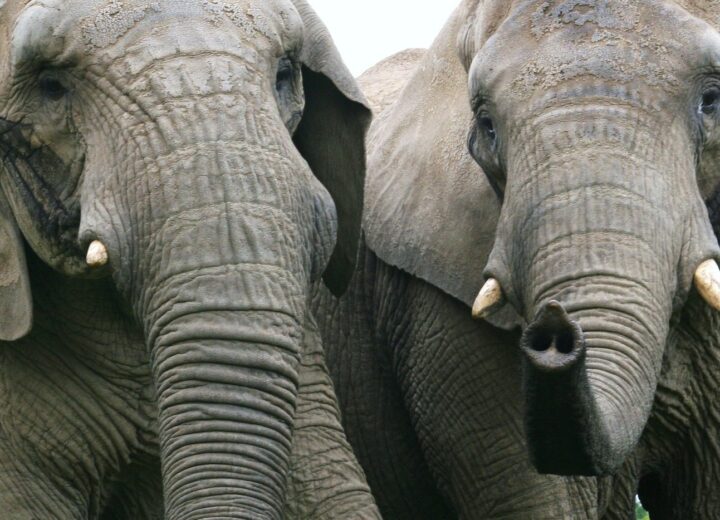
Elephants’ sheer scale actually makes them one of the more forgiving photographic subjects on a game drive, since a shorter lens than you’d need for smaller or more distant species can still produce compelling, detail-rich images. Capturing behaviour – interaction between herd members, a calf near its mother, the texture of skin and tusks in good light – tends to produce more interesting results than a simple distant portrait of a single standing animal.
How elephants shape the wider ecosystem
Elephants are often described as a keystone species, and Murchison’s population genuinely earns that description – their feeding habits, including pushing over trees and stripping bark, shape the balance between woodland and open savanna across the park in ways that affect countless other species relying on that same habitat. Watching an elephant browse isn’t just watching one animal feed; it’s watching one of the park’s most influential ecological forces actively at work.
Elephants and water: a defining relationship
Water plays an outsized role in elephant behaviour, both for drinking and for the mud and dust bathing that protects their skin from sun and parasites. During the driest months, herds can be seen making determined, purposeful trips to the Nile, sometimes from a considerable distance, and watching this deliberate movement toward water gives a genuine sense of how central the river is to the whole park’s wildlife, not just its boat-based activities.
Calves and family bonds
Young elephant calves, often just months old, stay in constant close contact with their mothers and the wider family group, protected on all sides during any movement across open ground where predators might otherwise pose a risk. Watching a calf’s clumsy, curious interactions with older siblings and its mother’s patient, protective presence is consistently one of the most emotionally resonant moments any Murchison Falls game drive can offer.
Why elephant sightings matter beyond the moment
Every elephant sighting at Murchison Falls is a small, visible piece of evidence that the park’s decades-long recovery from historical poaching losses is genuinely working. Understanding this context, rather than treating an elephant herd as simply another item on a wildlife checklist, adds real weight to what’s already one of the most consistently rewarding sightings the park offers.
Recommended safaris for elephant sightings

Signature Safari
3 Days Murchison Falls Safari
Multiple game drives through elephant-favoured northern territory, with a private guide.
Extended
4 Days Murchison Falls & Budongo Forest Safari
Two full days of game drives, giving genuinely strong odds of a memorable elephant encounter.

Photography
4 Days Murchison Falls Photographic Safari
Extra time for capturing elephant behaviour and herd dynamics in the best light.