
Waterbuck are among the more visually distinctive antelope you’ll encounter in Murchison Falls, yet they’re often confused with other similar-looking species by first-time visitors. Here’s a genuine identification guide to help you confidently recognise them, plus where they’re most reliably found.
Which waterbuck subspecies you’ll actually encounter here
Uganda’s waterbuck population belongs to the defassa waterbuck subspecies, distinguished from the common waterbuck found in parts of southern and eastern Africa by a fuller, more complete white rump patch rather than the ring-shaped marking of its southern relative. Knowing this specific subspecies detail is a genuinely useful piece of context if you’ve previously encountered common waterbuck elsewhere on the continent and want to understand exactly how Murchison Falls’ population differs.
The single most reliable identification feature
Uganda’s waterbuck carry a genuinely distinctive solid white patch covering their rump, a defining feature of the defassa subspecies found here, which remains the single most reliable marker for confident identification even at a distance or in poor light. Once you know to look for this specific white rump, distinguishing waterbuck from similar-sized antelope becomes considerably easier.
How waterbuck coats differ visually from other riverside grazers
Beyond the diagnostic rump patch, waterbuck coats carry a genuinely coarser, shaggier texture and darker reddish-brown to grey colouring compared to the sleeker, lighter coats of kob and other nearby grazing species, giving waterbuck a noticeably heavier, more robust visual presence even before you spot the rump marking itself. This overall coat impression is often the first subtle clue experienced guides use before confirming identification with the more definitive rump check.
General size and body shape
Waterbuck are genuinely large antelope, with males standing notably taller and heavier than many other Murchison Falls antelope species, carrying a shaggy, somewhat coarse coat that differs meaningfully from the sleeker coats of species like kob or impala. This combination of size and coat texture, alongside the distinctive rump marking, gives waterbuck a genuinely recognisable overall silhouette.
Horns: a male-only feature worth understanding
Only male waterbuck carry horns, genuinely impressive ridged, curved structures that sweep backward before curving forward again toward the tips, distinguishing bulls clearly from hornless females and offering another confident identification marker when observing a mixed-sex group. These horns can reach a genuinely substantial length in mature bulls.
Where waterbuck are most reliably found
True to their name, waterbuck maintain genuinely close association with water sources, rarely venturing far from the Victoria Nile, its tributaries, or other reliable water access points across the park. This water dependency makes riverside game drives and boat cruise routes particularly productive for consistent waterbuck sightings, considerably more reliable than drier, more distant savanna areas.
Why waterbuck stay so genuinely close to water
Beyond simple drinking needs, waterbuck use nearby water as a genuine predator-escape strategy, readily entering water to evade pursuing lions or other predators less comfortable swimming, a defensive adaptation that shapes their entire habitat preference. This behaviour is part of why waterbuck concentrate so consistently along the Nile’s edge rather than ranging widely across drier interior grassland.
A genuinely distinctive scent worth knowing about
Waterbuck produce a notably strong, musky scent from specialised skin glands, historically believed by some traditional accounts to make their meat unpalatable to certain predators, though modern understanding suggests this scent primarily serves territorial marking and communication purposes rather than genuine predator deterrence. This distinctive odour is occasionally noticeable to visitors during close encounters, adding a genuinely memorable sensory dimension beyond visual observation alone.
Social structure and typical group sizes
Waterbuck form genuinely varied social groups – territorial bulls, bachelor groups of younger males, and female groups with young – creating a range of different sighting types depending on exactly which social configuration you encounter. Territorial bulls defend specific riverside territory, while female groups move more freely across a bull’s territory or between different territories.
How to distinguish waterbuck from similar species
Travellers sometimes confuse waterbuck with kob or other reddish-brown antelope species, though the distinctive solid white rump patch, larger overall size, and shaggier coat texture reliably distinguish waterbuck once you know what to look for. Asking your guide to point out these specific differences during your first sighting genuinely helps calibrate your eye for future identification throughout your trip.
Best time of day for waterbuck sightings
Waterbuck are active across a genuinely wide window of the day, though early morning and late afternoon – when temperatures are cooler and water-adjacent grazing is most comfortable – tend to produce particularly consistent, active sightings. Their strong water association means boat cruise timing also genuinely factors into your best sighting opportunities beyond standard game drives alone.
Waterbuck within the broader Nile ecosystem
Watching waterbuck alongside the river’s other wildlife – hippos, crocodiles, abundant birdlife – during a boat cruise offers a genuinely rich, layered wildlife experience beyond a single-species sighting, reflecting how central the Nile itself is to Murchison Falls’ broader ecological character. This water-centred wildlife tableau is one of the park’s more distinctive features compared to purely inland savanna destinations.
Photography considerations specific to waterbuck
The distinctive white rump patch photographs particularly well when an animal is moving away from or at an angle to your vehicle, making patience for the right positioning genuinely worthwhile for a clearly identifiable image. Bulls with fully developed horns, positioned against a riverside backdrop, offer some of the more classically striking Murchison Falls antelope photography opportunities.
Our honest guidance on spotting and identifying this species
Waterbuck are genuinely one of the easier antelope species to confidently identify once you know the specific markers to look for, and their strong water association makes riverside activities particularly productive for reliable sightings. We’re happy to point you toward the most waterbuck-rich circuits and cruise timing as part of planning your itinerary.
Waterbuck breeding behaviour and territorial defence
Dominant bulls defend genuinely prime riverside territory against rival males, with confrontations sometimes involving impressive horn-locked pushing contests rather than serious injury-causing combat, a ritualised display of strength that determines breeding access without necessarily escalating to genuine harm. Witnessing this kind of territorial contest, while relatively uncommon, offers a genuinely dramatic window into waterbuck social dynamics beyond simple grazing observation.
How waterbuck populations reflect broader river-ecosystem health
A genuinely healthy, visible waterbuck population along the Nile reflects well-maintained riverside habitat and water quality, making consistent sightings a quietly reassuring indicator of this specific ecosystem’s overall condition. This connects individual waterbuck sightings to the broader conservation story of the Victoria Nile’s health within Murchison Falls National Park.
What guides specifically look for when pointing out waterbuck
Experienced guides scan riverside vegetation edges and open banks specifically for waterbuck’s distinctive silhouette and that telltale rump marking, often spotting individuals considerably earlier than an untrained eye would notice them blending into dappled shade along the water’s edge. Asking your guide to explain exactly what they’re looking for genuinely sharpens your own spotting skills for the rest of your trip.
A final note on appreciating this genuinely distinctive antelope
Waterbuck offer a genuinely satisfying identification challenge for travellers building their broader antelope-spotting skills across a Murchison Falls trip, rewarding attention to specific physical markers with confident, repeatable recognition throughout the rest of your stay.
How waterbuck fit into a broader antelope-identification skill set
Once you’ve confidently mastered waterbuck identification, applying the same close-attention approach to other similar-looking antelope species across Murchison Falls – kob, bushbuck, oribi – genuinely enriches the rest of your trip, turning what might otherwise feel like an endless, undifferentiated stream of “antelope” sightings into a genuinely engaging identification exercise. Many guests describe this shift in perspective as one of the more unexpectedly rewarding parts of an extended safari.
What time of year offers the most predictable waterbuck viewing
Given their year-round dependence on water access, waterbuck sightings remain genuinely consistent across all seasons, unlike some species whose visibility shifts dramatically between wet and dry periods. This reliability makes waterbuck a genuinely dependable species to build into any itinerary regardless of when your Murchison Falls trip happens to fall within the year.
How to bring this identification skill into your boat cruise experience
The Victoria Nile boat cruise offers a genuinely different vantage point for waterbuck spotting compared to a vehicle-based game drive, often allowing closer, more sustained observation as the boat moves steadily along the riverbank where waterbuck naturally congregate. Bringing binoculars specifically for this activity, rather than relying purely on your camera’s zoom, genuinely improves your ability to confirm identification markers at the boat’s typical viewing distance.
A confident understanding of exactly what you’re looking at, rather than a vague sense of “antelope somewhere near the water,” genuinely transforms a boat cruise from a pleasant scenic float into a properly engaging wildlife activity in its own right, one you’ll likely find yourself narrating enthusiastically to fellow passengers by the trip’s end.
Recommended safaris

Signature Safari
3 Days Murchison Falls Safari
A Nile boat cruise paired with classic riverside game viewing.
Mid-Range
3 Days Murchison Falls Mid-Range Safari
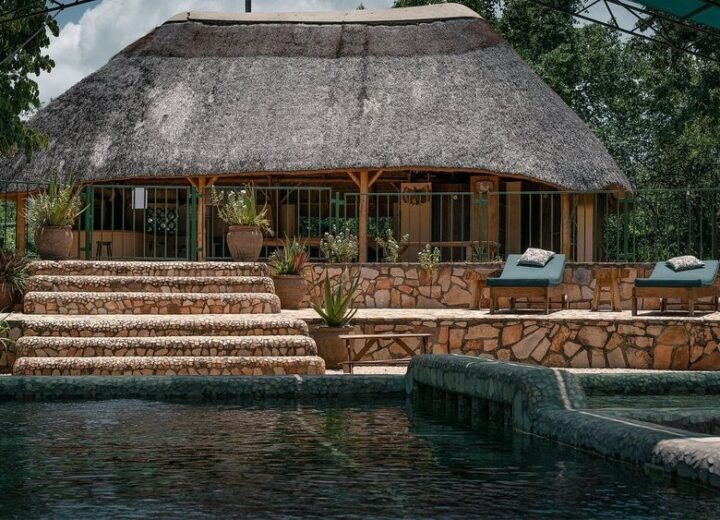
Riverside accommodation close to prime waterbuck territory.

Grand Circuit
9 Days Murchison Falls Grand Uganda Wildlife Circuit
Multiple river activities across a longer itinerary.