Every visitor who books a gorilla trek or a Murchison Falls game drive is, whether they think about it in these terms or not, directly participating in one of Africa’s genuine conservation success stories – a tourism industry that has become a critical funding mechanism for protecting species that were, within living memory, in far more precarious positions than they are today. Understanding this context adds real depth to a Uganda safari beyond simply the wildlife-viewing itself.
Mountain gorillas: from the brink to genuine recovery
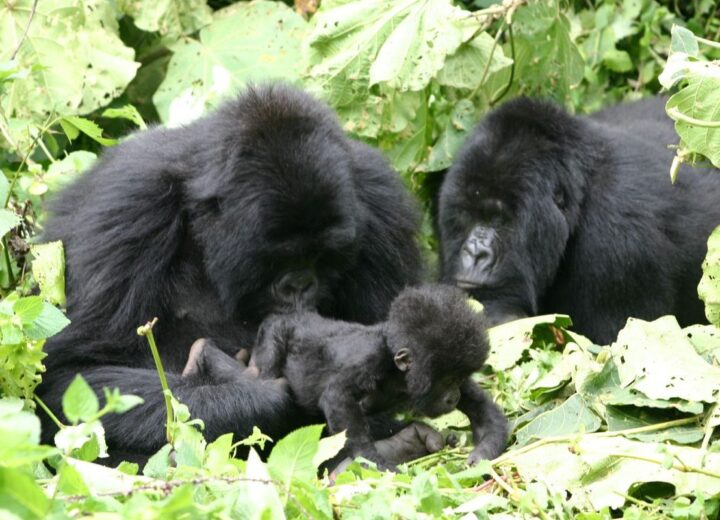
Mountain gorillas numbered barely more than 250 individuals in the 1980s, driven toward extinction by habitat loss, poaching and the Rwandan genocide’s disruption of their core range, yet a sustained, decades-long conservation effort centred on regulated trekking tourism has helped the population recover to roughly 1,000 individuals today – one of very few great ape species with a genuinely improving population trend. Uganda’s Bwindi Impenetrable Forest and Mgahinga Gorilla National Park protect a significant share of this recovering population.
How gorilla trekking tourism directly funds this recovery
Gorilla permit fees fund park ranger salaries, anti-poaching patrols, veterinary monitoring of habituated gorilla groups, and community programmes designed to give local populations a genuine economic stake in the forest’s protection rather than in its exploitation. This direct link between tourism revenue and conservation funding is precisely why permit numbers remain deliberately limited – the model depends on controlled, sustainable visitor numbers rather than maximising volume.
Rhino: rebuilding a population from zero
Uganda’s wild rhino population was completely wiped out by the 1980s through poaching and civil conflict, making Ziwa Rhino Sanctuary’s ongoing reintroduction programme a genuine rebuilding effort starting essentially from scratch rather than a protection programme for an existing population. Every rhino at Ziwa today descends from a small founding group reintroduced from other African countries, with the long-term goal of eventually establishing rhinos back in Uganda’s national parks proper.
Elephants: recovering from a devastating population crash
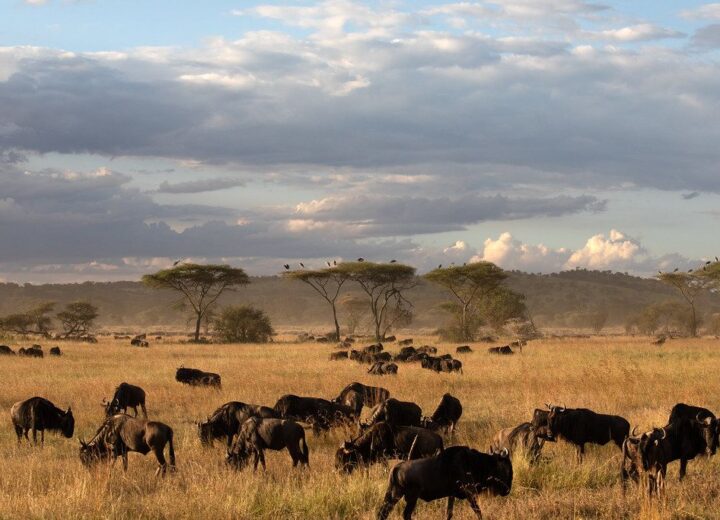
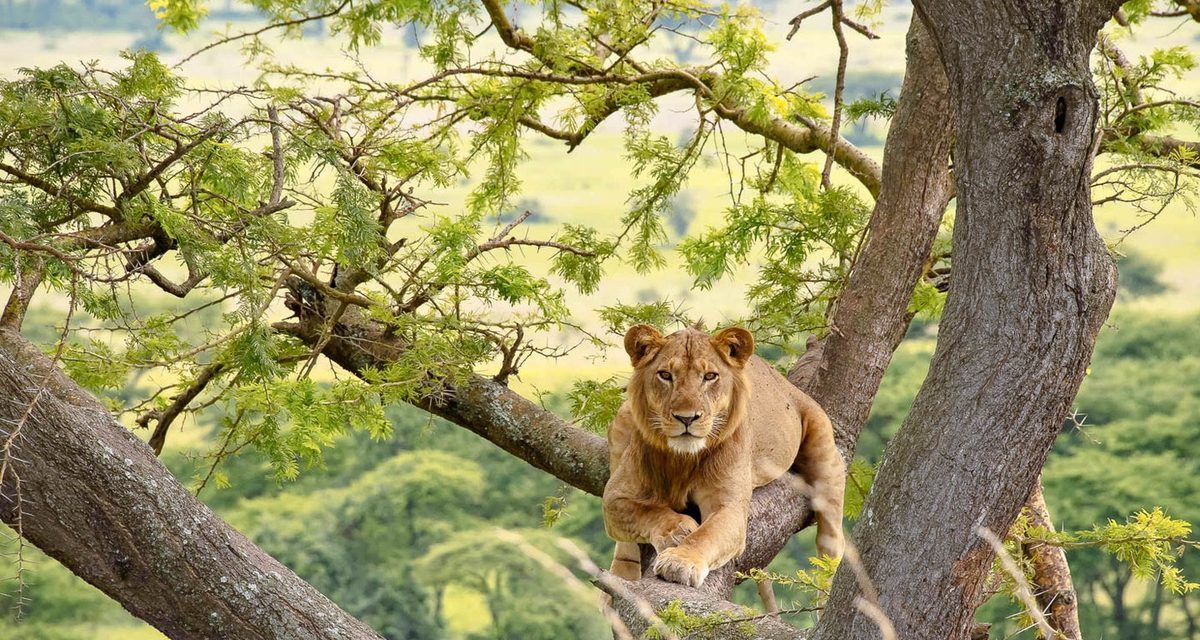
Uganda’s elephant population fell dramatically during the political instability and poaching crisis of the 1970s and 1980s, losing the vast majority of its numbers within a relatively short period, before a sustained recovery effort helped populations rebuild significantly across protected areas including Murchison Falls and Queen Elizabeth. Anti-poaching enforcement and habitat protection remain genuinely ongoing priorities rather than a solved problem, even with this meaningful recovery.
Chimpanzees and the pressure of habitat loss
Chimpanzees face an ongoing, genuinely serious conservation challenge from habitat loss as forest areas outside protected parks face pressure from agriculture and settlement expansion, making protected forest blocks like Kibale and the Budongo Forest near Murchison Falls increasingly critical refuges for maintaining viable populations. Chimp trekking tourism revenue, similar to gorilla trekking, directly supports the ranger presence and forest protection these populations depend on.
Shoebill storks: a genuinely rare bird under real pressure
The shoebill, one of Africa’s most sought-after birding sightings, faces real pressure from wetland habitat loss and, in some areas, illegal capture for the exotic pet trade, making Uganda’s protected wetland areas like the Murchison Falls delta genuinely important strongholds for this species. Responsible, well-managed birding tourism helps make these wetlands more economically valuable intact than converted to alternative use.
How anti-poaching efforts actually work on the ground
Uganda Wildlife Authority rangers conduct regular armed patrols across protected areas, supported increasingly by technology including camera traps and, in some parks, tracking collars on key individual animals to monitor movement and detect any sign of distress or threat. This enforcement infrastructure is directly funded through park entry fees and permit costs, making every visitor’s park fees a genuine, direct contribution to this ongoing protection work.
Community conservation: aligning local interests with wildlife protection
Programmes sharing tourism revenue directly with communities bordering national parks, along with employment opportunities in tourism, ranger positions and related services, are central to Uganda’s broader conservation strategy – genuinely aligning local economic interest with wildlife protection rather than treating conservation and community livelihood as competing priorities. This model, while imperfect, represents a meaningfully different approach than pure enforcement-only conservation.
What responsible travellers can genuinely contribute
Simply choosing a reputable operator that respects wildlife viewing guidelines, supports fair employment for local guides and staff, and contributes appropriately to park fees and permits is itself a genuine form of conservation support, without requiring any additional donation or separate volunteer effort. Travellers wanting to contribute further can ask about legitimate, verified conservation organisations working in the specific parks on their itinerary.
Ongoing challenges that remain genuinely unresolved
Despite real progress across several species, Uganda’s conservation landscape still faces genuine ongoing pressure from habitat loss driven by a growing human population, illegal wildlife trade networks operating across borders, and the funding challenges inherent in sustaining long-term protection efforts. Being aware of these ongoing challenges, rather than assuming conservation success stories mean the work is finished, gives a more honest picture of what’s actually at stake.
Why this context enriches your actual safari experience
Understanding the genuine conservation history and ongoing effort behind seeing a mountain gorilla, a rhino at Ziwa, or a healthy elephant herd at Murchison Falls adds real weight to these encounters beyond simply the visual spectacle – you’re witnessing the tangible result of decades of dedicated protection work, and your presence as a responsible visitor is a genuine part of what sustains that work going forward.
The role of research and long-term monitoring
Ongoing scientific research – tracking gorilla group health, monitoring elephant movement patterns, studying chimpanzee behaviour in habituated communities – underpins much of Uganda’s conservation decision-making, giving park authorities genuine data to guide protection strategy rather than relying on assumption alone. Some of this research happens directly alongside tourism activity, with habituated gorilla and chimp groups serving both trekking tourism and long-term behavioural study simultaneously.
What genuine long-term success actually looks like
Real conservation success in Uganda isn’t a single fixed achievement but an ongoing, generational process requiring sustained funding, continued community buy-in, and consistent enforcement decade after decade rather than a problem solved once and then left alone. The mountain gorilla’s recovery over recent decades offers a genuinely hopeful model for what sustained effort can achieve, even as newer challenges continue to emerge across other species and habitats.
Recommended conservation-focused safaris
Gorilla Trekking
7 Days Murchison Falls & Bwindi Gorilla Safari
Permit fees directly funding one of Africa’s great conservation recoveries.
Signature Safari
3 Days Murchison Falls Safari
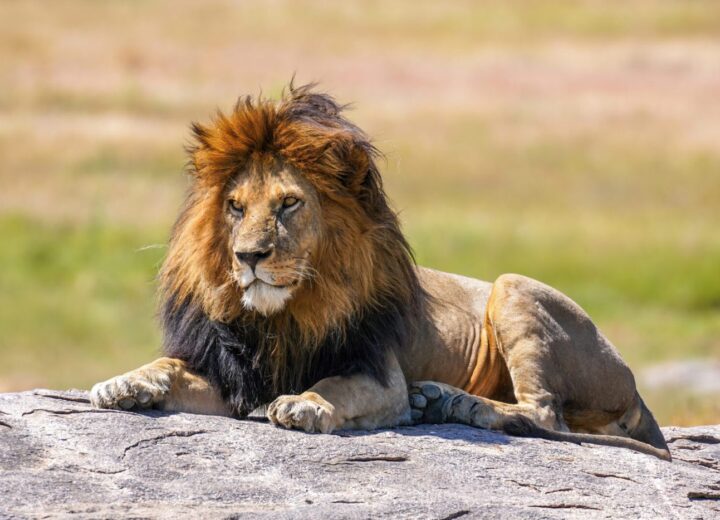
Witness elephant and lion populations recovering across protected savanna.

Grand Circuit
9 Days Murchison Falls Grand Uganda Wildlife Circuit
A comprehensive circuit spanning several of Uganda’s key protected habitats.